

1980s: From Typewriters to PCs
I learned as a child that my great-grandfather built horse-drawn carriages during the 1900s. I could not fathom how many changes my grandmother witnessed in the world during her lifetime. Automobiles, space exploration, telephones, black and white television and movies were just a few inventions that I remember we talked about. It seemed hard to imagine that society could develop so many amazing changes in a person’s lifetime. I now realize how naive my thinking was as a child.
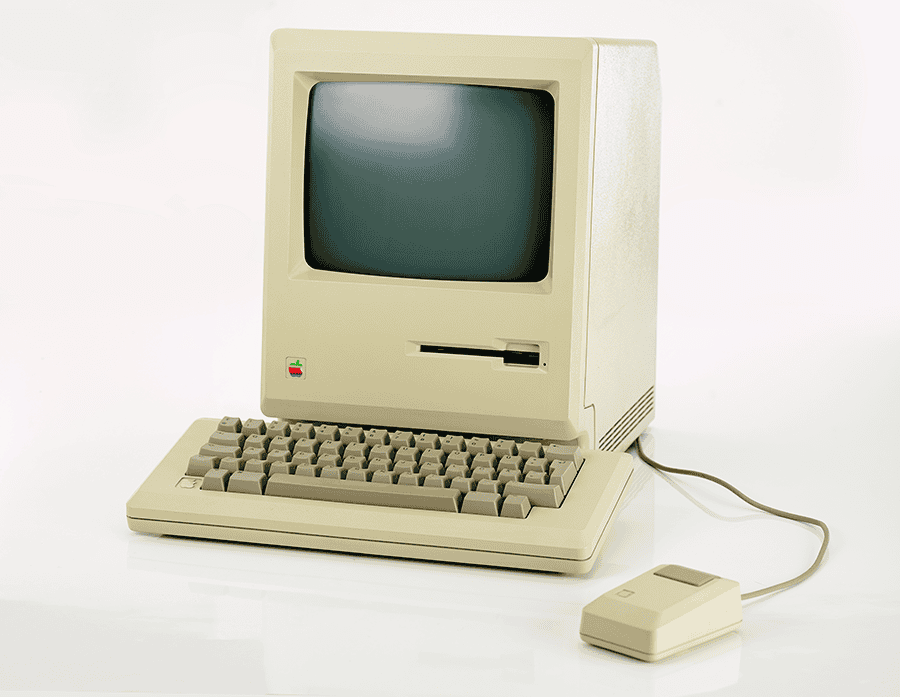
During my graduate school years in the late 1980s, I discovered the personal computer, known as a PC. These were not like the laptops of today, but large desktops that operated using floppy disks that stored files and programs. My first computer was about the size of a small microwave oven. It included a dual floppy drive so I could operate a word processing program and save my files simultaneously. A 10-inch monitor displayed text in an amber hue.
I can still picture it today, even as I type on the external keyboard attached to my laptop and two 20-inch monitors all connected through a docking port. What a remarkable change from the mainframes that took up entire rooms and card-punching machines, which are now replaced with keyboards similar to the manual typewriters I used during my undergraduate days!
The internet had yet to be developed, so I completed all of my research at the library by searching through volumes of bound journals and taking notes with pen and paper. I communicated with professors and colleagues in person or by phone, as email and fax machines were being developed just as I finished my graduate work.
— Mary C. Verstraete, Ph.D.
1990s: From Punched Paper to Word Processing
My first job was in the 1970s for my dad’s small TV rental business. My duties included testing vacuum tubes from TVs to see which ones could be reused and individually typing invoices on a typewriter because, although computers were newly available, the cost was not worth it for his small business.
Technology made big strides during my undergraduate years. My first programming class used punched paper tape. Several years later, I could load the software Turbo Pascal onto my home computer and do my programming at home. Emailing our professors emerged as a new option during the end of my college years in 1989, and I used a dial-up service at home to email my work.
Once I started working as an engineer in 1990, I finally got to work on my own desktop computer rather than sharing. We used the operating system MS-DOS. We liked the control of what was happening with our computers so much that we resisted Microsoft Windows when it first became available in the early 1990s. I learned how to create spreadsheets using software called Lotus 1-2-3 and how to use word processing software with WordStar and WordPerfect. At that time, sharing files with colleagues involved sharing floppy disks.
Somehow, we made things happen. I have grown along with technology and appreciate how much more technology lets us do today at work and in other areas of our lives.
— Marcie Mathis
2000s: From Landline Phones to Mobile Devices
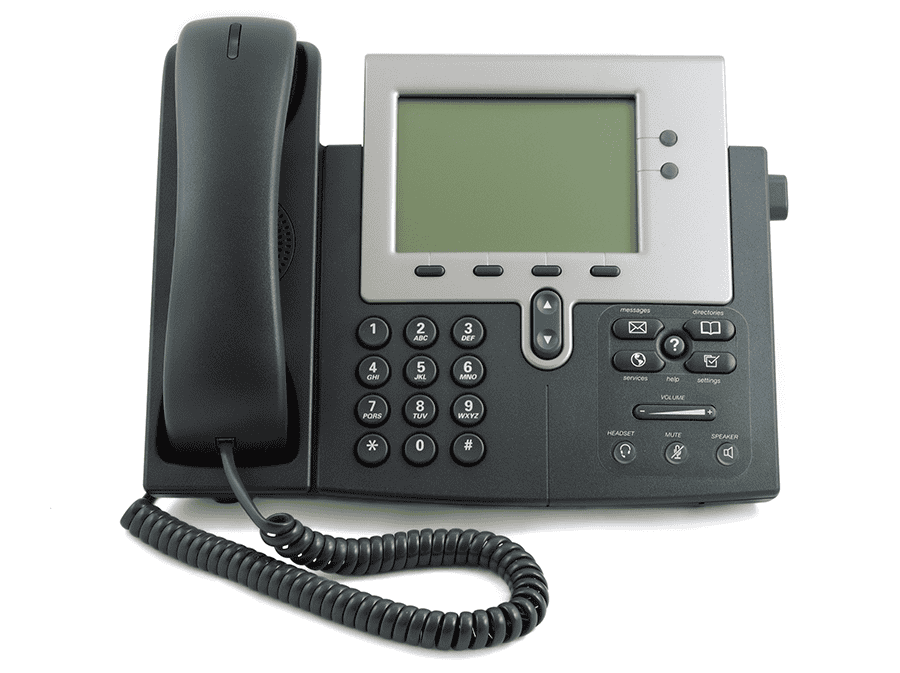
As a student graduating from college at the “turn of the century,” I entered the workforce during a time of technology transitions. I had a desktop computer and landline phone at work, but at home I used my laptop to work anywhere in the house thanks to a few weekends (and a few hundred dollars) spent running ethernet lines to every room.
I used a personal mobile phone when I was not at work, mostly on nights and weekends when the service was free. Texting was not yet available, and the phone service only worked in the United States. So, when I traveled outside the country for work, I checked out one of the few international cell phones from my department to avoid using my international calling card or a pay phone on the street.
Today, I can work from anywhere on the planet. It is hard to believe that I used to work tethered to the wall. It seems impossible that I wrote college papers by hand and on paper when a computer is not even necessary to write this article today: I did it using the voice-to-text feature on my cell phone. So many technological changes have occurred during the first 25 years of this century. I cannot imagine what the next 25 years of advancement hold — but I’m excited to experience it!
— Wendy Cocke
2010s: From Instant Messaging to Real-Time Collaboration
When I graduated from college, I still owned a Nokia slider phone that I loved. My first job was for a high-tech Fortune 100 company, competing in the software and hardware shift to the cloud. To celebrate landing the job, I bought my first smartphone. The position came with many firsts: Uber rides during training, a landline desk phone in my cubicle, and access to a special conference room to make video calls.
What sticks out to me is how our team communicated. Although a high-tech company, we used Pidgin, a low-tech, open-source instant messaging software. It worked great, but it had a rudimentary user interface for chatting with peers simultaneously at different sites and for organizing into groups. Nevertheless, Pidgin met our needs.
Today, needs have expanded. We have moved to much more powerful collaborative tools that have become commonplace, such as Teams and Slack. Not only can we use instant messaging, but we can also work cross-functionally on documents, design, and more in real time. We can video call at the touch of a button. These tools are a lifeline to connectivity at work because of the distributed nature of project teams — remote or flex, across different time zones and different countries.
I have seen the “next big thing” shift from cloud-based applications and cloud computing to the large language model-based generative AI tools used today. However, the generative AI revolution is just taking off. What will life look like a decade from now? Perhaps a future editorial board member will tell us.
— Diya Dwarakanath