Skip to content

Have questions about SWE programs, events or resources? Try asking Enginuity!

  • Diverse Podcast
  • All Together
  • SWE Magazine
  • Career Center
  • Diverse Podcast
  • All Together
  • SWE Magazine
  • Career Center
Header
Facebook X Green Vector Linkedin Instagram Youtube
Chat with Enginuity Now!
  • about
    About SWE
      • About SWE
      • SWE Learning
      • Headquarters Staff
      • SWE in the News
      • Careers
      • 75th Anniversary
      • SWE: From Then to Now
      • sweSwag Store
      • Public Policy
      • Grants & Foundation Supporters
      • DIVERSE: A SWE Podcast
      • All Together Blog
      • SWE Magazine
      • SWE DEI&B Resources
      • SWE Research
      • SWE Around the World
      • Brand Guidelines
      • Privacy Policy
    Governance
        • Governance Update
        • Board of Directors
        • Board of Trustees
        • Directorate and Working Group Contacts
        • Finance Committee
        • Nominating Directorate
        • Senate Directorate
    • Resource Center
    • Integrated Marketing Advisory Board
    • Volunteer Opportunities Dashboard
    Resources
    Chat with Enginuity Now
    SWE Celebrates Turning 75!
    th image

    Since its founding in 1950, SWE has grown to over 45,000 members and continues to advocate for greater gender equity and diversity. Learn More

    sweSWAG
    Sweswag

    Visit the sweSwag store to get your gear on. Learn More

  • membership
    Membership
    • Renew Your Membership
    • Become a Member
      • Collegiate Membership
      • Professional Membership
      • Educator Membership
      • Life Member, Retired or Unemployed Membership
    • Friend of SWE
    Member Resources
    • Advance Learning Center
    • Affinity Groups
    • Free Patent Academy
    • Member Offers and Discounts
    • Member Portal
    • Member Promotion Toolkits
    • Membership Statistics
    • Mentoring
    • Sections and Affiliates
    • Workplace Groups
    Section & Affiliate Resources
    • Billhighway
    • Brand Guidelines
    • Community College
    • Logo Downloads
    • Global Affiliates
    • Section Leadership
    • Section & Affiliate Start Up
    • Section / Affiliate Website Signup
    • Section & Affiliate Resource Hub
    Affinity Groups
    mega-item-2968

    The SWE Affinity Groups (AGs) mission is to bring together communities with similar interests and backgrounds supporting the diversity, equity, and inclusion (DE&I) strategic goals of SWE. Join today!

    Join SWE Today
    Membership

    Click here to access or create an account!

  • scholarships
    Scholarships
    • Scholarships
    • Scholarships by Section
    • Society Selected Scholarships
    • Apply for a SWE Scholarship
    • Donate to SWE Scholarships
    • Volunteer
    • Scholarship Knowledge Base
    • Celebrate 65 Years of SWE Scholarships
  • programs
    Precollege Programs
        • SWENext 
        • SWENext Clubs
        • SWENext Influencers
        • SWENext Resources
        • SWENext Awards
        • SWENext Connect
        • SWENext High School Leadership Academy (SHLA)
        • Constance & Nano Comics 
        • STEM Pathways
        •  
    Learn more about SWENext
    • Adult Advocates
    • Educators
    • Outreach Toolkit
    • Youth Protection
    Professional Programs
    • SWE Learning
    • Digital Credentialing 
    • Mentoring
    • Advance Learning Center
    SWE Advance Logo Revised Color
    • Academic Leadership for Women in Engineering (ALWE)
    • Collegiate Leadership Institute (CLI)
    • Leadership Development Program (LDP)
    • SWE Leadership Competency Model
    • Ignite Leadership Program
    • Return to Work Cohort
    Global Programs
    • About SWE Global Programs
    • Global Ambassadors
    Diversity, Equity and Inclusion Products

    At SWE, we acknowledge and respect the value of a diverse community. Learn More

    Speaking With SWE

    Are you interested in hosting or developing a professional development session? Learn More

  • events
    WE SaveTheDate PPT x jc
    SWE Conferences
    • WE Conference
    • Past and Future WE Conferences
    • WE Local Conferences
    Other SWE Events
    • Upcoming Events Calendar
    • SWE Group Events Tracker
  • awards
    mega-item-2971
    SWE Awards Program Open January 1 - March 1.

    The Society of Women Engineers strives to advance and honor the contributions of women at all stages of their careers as well as recognize the successes of SWE members and individuals who enhance the engineering profession through contributions to industry, education and the community. Learn More

    Awards
    • About Awards
    • SWE Awards Program
    • SWE Recognition Program
    • Collegiate Competitions
    • SWENext Awards
    • WE Local Awards
    • Certificates of Merit or Achievement
  • partner
    Partner
    • Why Partner With SWE
      • Corporate Councils
      • Conference Partnerships & Recruitment Services
      • Packages
      • Advertising / Branding
      • Scholarships
      • Professional Development
      • Pre-University & University Programming
      • DEI&B Products & Services
      • Corporate Social Responsibility
    • Corporate Partnership Council
    • STEM Return to Work Programming and Services
    • Program Development Grants
    Why Partner With SWE
    partner website image

    As a partner, you can help support critical outreach programs and initiatives that reinforce diversity programming to aid the recruitment, advancement and success of women engineers. Your support at any level is a vital part of the work we do to empower women at all stages of their education and career. 

    Become a partner! Learn More

    Visit our Mediakit
    media kit header image

    SWE members can be found in over 400 professional and collegiate sections in the U.S. and Puerto Rico. With a variety of sponsorships and advertising options, SWE offers distinguished opportunities to reach your target audience. 

    Learn More

  • donate
    • Donate to SWE HQ
    • Donate to Endowed Scholarships
  • login
  • logout
  • about
    About SWE
      • About SWE
      • SWE Learning
      • Headquarters Staff
      • SWE in the News
      • Careers
      • 75th Anniversary
      • SWE: From Then to Now
      • sweSwag Store
      • Public Policy
      • Grants & Foundation Supporters
      • DIVERSE: A SWE Podcast
      • All Together Blog
      • SWE Magazine
      • SWE DEI&B Resources
      • SWE Research
      • SWE Around the World
      • Brand Guidelines
      • Privacy Policy
    Governance
        • Governance Update
        • Board of Directors
        • Board of Trustees
        • Directorate and Working Group Contacts
        • Finance Committee
        • Nominating Directorate
        • Senate Directorate
    • Resource Center
    • Integrated Marketing Advisory Board
    • Volunteer Opportunities Dashboard
    Resources
    Chat with Enginuity Now
    SWE Celebrates Turning 75!
    th image

    Since its founding in 1950, SWE has grown to over 45,000 members and continues to advocate for greater gender equity and diversity. Learn More

    sweSWAG
    Sweswag

    Visit the sweSwag store to get your gear on. Learn More

  • membership
    Membership
    • Renew Your Membership
    • Become a Member
      • Collegiate Membership
      • Professional Membership
      • Educator Membership
      • Life Member, Retired or Unemployed Membership
    • Friend of SWE
    Member Resources
    • Advance Learning Center
    • Affinity Groups
    • Free Patent Academy
    • Member Offers and Discounts
    • Member Portal
    • Member Promotion Toolkits
    • Membership Statistics
    • Mentoring
    • Sections and Affiliates
    • Workplace Groups
    Section & Affiliate Resources
    • Billhighway
    • Brand Guidelines
    • Community College
    • Logo Downloads
    • Global Affiliates
    • Section Leadership
    • Section & Affiliate Start Up
    • Section / Affiliate Website Signup
    • Section & Affiliate Resource Hub
    Affinity Groups
    mega-item-2968

    The SWE Affinity Groups (AGs) mission is to bring together communities with similar interests and backgrounds supporting the diversity, equity, and inclusion (DE&I) strategic goals of SWE. Join today!

    Join SWE Today
    Membership

    Click here to access or create an account!

  • scholarships
    Scholarships
    • Scholarships
    • Scholarships by Section
    • Society Selected Scholarships
    • Apply for a SWE Scholarship
    • Donate to SWE Scholarships
    • Volunteer
    • Scholarship Knowledge Base
    • Celebrate 65 Years of SWE Scholarships
  • programs
    Precollege Programs
        • SWENext 
        • SWENext Clubs
        • SWENext Influencers
        • SWENext Resources
        • SWENext Awards
        • SWENext Connect
        • SWENext High School Leadership Academy (SHLA)
        • Constance & Nano Comics 
        • STEM Pathways
        •  
    Learn more about SWENext
    • Adult Advocates
    • Educators
    • Outreach Toolkit
    • Youth Protection
    Professional Programs
    • SWE Learning
    • Digital Credentialing 
    • Mentoring
    • Advance Learning Center
    SWE Advance Logo Revised Color
    • Academic Leadership for Women in Engineering (ALWE)
    • Collegiate Leadership Institute (CLI)
    • Leadership Development Program (LDP)
    • SWE Leadership Competency Model
    • Ignite Leadership Program
    • Return to Work Cohort
    Global Programs
    • About SWE Global Programs
    • Global Ambassadors
    Diversity, Equity and Inclusion Products

    At SWE, we acknowledge and respect the value of a diverse community. Learn More

    Speaking With SWE

    Are you interested in hosting or developing a professional development session? Learn More

  • events
    WE SaveTheDate PPT x jc
    SWE Conferences
    • WE Conference
    • Past and Future WE Conferences
    • WE Local Conferences
    Other SWE Events
    • Upcoming Events Calendar
    • SWE Group Events Tracker
  • awards
    mega-item-2971
    SWE Awards Program Open January 1 - March 1.

    The Society of Women Engineers strives to advance and honor the contributions of women at all stages of their careers as well as recognize the successes of SWE members and individuals who enhance the engineering profession through contributions to industry, education and the community. Learn More

    Awards
    • About Awards
    • SWE Awards Program
    • SWE Recognition Program
    • Collegiate Competitions
    • SWENext Awards
    • WE Local Awards
    • Certificates of Merit or Achievement
  • partner
    Partner
    • Why Partner With SWE
      • Corporate Councils
      • Conference Partnerships & Recruitment Services
      • Packages
      • Advertising / Branding
      • Scholarships
      • Professional Development
      • Pre-University & University Programming
      • DEI&B Products & Services
      • Corporate Social Responsibility
    • Corporate Partnership Council
    • STEM Return to Work Programming and Services
    • Program Development Grants
    Why Partner With SWE
    partner website image

    As a partner, you can help support critical outreach programs and initiatives that reinforce diversity programming to aid the recruitment, advancement and success of women engineers. Your support at any level is a vital part of the work we do to empower women at all stages of their education and career. 

    Become a partner! Learn More

    Visit our Mediakit
    media kit header image

    SWE members can be found in over 400 professional and collegiate sections in the U.S. and Puerto Rico. With a variety of sponsorships and advertising options, SWE offers distinguished opportunities to reach your target audience. 

    Learn More

  • donate
    • Donate to SWE HQ
    • Donate to Endowed Scholarships
  • login
  • logout

Other SWE Properties

  • WE Local
  • WE25 Conference
  • All Together
  • SWE Magazine
  • STEM Reentry Task Force
  • Constance and Nano
  • eXXec
  • SWE Media Kit
  • Research
  • A4E
Chat with Enginuity Now!
  • SWE Magazine: Home
  • Past Issues
  • About SWE Magazine
  • Media Kit
  • Contact Us
  • SWE Magazine: Home
  • Past Issues
  • About SWE Magazine
  • Media Kit
  • Contact Us

Other SWE Properties

  • WE Local
  • WE25 Conference
  • All Together
  • SWE Magazine
  • STEM Reentry Task Force
  • Constance and Nano
  • eXXec
  • SWE Media Kit
  • Research
  • A4E
SWE Magazine Callout
SOWIE 2022
Features

How Do Young Women Develop an Engineering Identity?

Exploring the views and experiences of young women who are highly committed to engineering may provide insights into best practices to support their aspirations and promote gender equity.

By Catherine Riegle-Crumb, Ph.D.

Despite the extensive body of research dedicated to understanding the factors associated with young women’s relatively low levels of engineering interest, there is limited research focusing on young women who have expressed interest in pursuing engineering. Researchers from The University of Texas and the Society of Women Engineers, therefore, have partnered in a longitudinal, mixed-methods project funded by the National Science Foundation (NSF) that focuses on the latter. Broadly, this collaborative research project explores the views and experiences of young women who are highly committed to engineering. The explicit attention on this unique group of young women is intended to understand whether and how young women who have strong inclinations toward engineering maintain their engineering trajectories. Hence, this research project aims to examine the experiences of young women who potentially make up the next generation of women engineers.

To do so, we recruited a diverse sample of young women, including those in high school and college, from across the United States, who are affiliated with SWE. High school students are participants of SWENext, the youth division program of SWE focused on supporting girls in K-12 who are interested in engineering and technology careers. These young women in high school completed online surveys; moreover, members of the research team also conducted in-depth interviews with a select group of high school participants over a period of three years, beginning in the summer of 2019. At the same time, undergraduate women who are SWE collegiate members pursuing engineering majors were also surveyed each spring, starting in spring 2019. Both surveys and interviews asked participants about themselves, including their STEM attitudes and views about their gender identities, as well as their engineering experiences, such as perceptions of support from others and participation in STEM-related activities.

We also found some evidence of a gendered pattern in the amount of support young women perceived from their peers. For example, they indicated higher levels of support from female friends and classmates than from male friends and classmates, respectively.

In this article, we describe three separate studies that come from this larger research project. The first study provides a rich description of both the encouragement and discouragement young women in high school report from multiple actors, including peers and adults. The second study also focuses on SWENext high school participants and investigates their views of gender inequality and their self-efficacy to change inequality in the future. In the last study, we shift our attention to collegiate SWE members and examine their self-perceptions about various dimensions of their gender identities. These studies are grounded in social science theories, which articulate how gender inequality, and gender itself, is socially constructed. Taken together, these studies provide a deeper understanding on the experiences of young women who have articulated a strong engineering interest.

How are young women encouraged and discouraged?

As mentioned above, this first study explores the inclusionary and exclusionary experiences of young women in high school. In particular, it examines how young women in SWENext are encouraged and, simultaneously, discouraged by various groups of individuals in their lives, including parents, teachers, friends, and classmates. It also investigates whether there is any variation across sources, such that peers may provide more support than adults, or by the gender of the source. For this mixed-methods study, we utilize survey responses from a diverse sample of 133 SWENext young women from across the United States; of these, 33 participated in interviews.

For the quantitative component, we analyzed survey items that asked young women to report the amount of STEM support they receive from peers, teachers, and parents. In general, SWENext young women receive high levels of support. At the same time, they reported more support for their STEM aspirations from adults, including parents and teachers, than from their peers. For example, 89% and 76% indicated strong support from their mothers and fathers, respectively. We also found some evidence of a gendered pattern in the amount of support young women perceived from their peers. For example, they indicated higher levels of support from female friends and classmates than from male friends and classmates, respectively. In other words, SWENext young women viewed boys from their STEM classmates and STEM clubs as providing the least amount of support. For instance, only about 16% of SWENext members reported strong support from male peers.
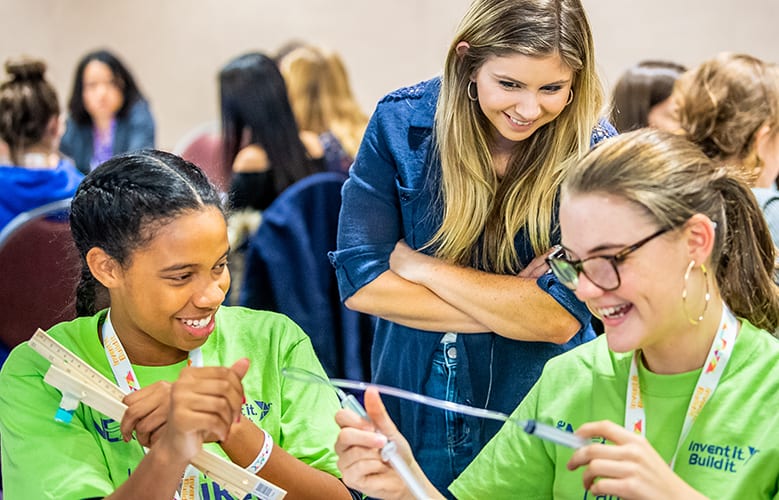
image 66
SWENext activities, including “Invent It. Build It.,” SWE’s signature outreach event, introduce and support young women interested in engineering.

We turn to qualitative findings from our interviews with young women to describe how they are encouraged and discouraged in their STEM pursuits by these different groups of individuals. As described earlier, young women indicated more support from parents and teachers than from peers. Specifically, they described teachers and parents of any gender as important sources that push and advocate for them. This included encouraging young women to take specific actions, such as enrolling in more advanced STEM classes and joining after-school STEM clubs. These adults also demonstrated to young women that they recognize and believe in them as capable of becoming engineers. In doing so, young women felt validated in participating in STEM spaces.

However, young women also discussed being actively discouraged. In particular, they described how they were discouraged from pursuing engineering by boys in their STEM classes and extracurricular activities. This group of young men discouraged SWENext young women through physical exclusion, such that boys tended to physically take over materials and spaces. For example, young women expressed how some young men would not allow them to use specific tools and, therefore, limited young women’s ability to fully participate and engage in STEM. It is no surprise then that young women indicated lower levels of support from these young men in the survey items, as described earlier in the quantitative results. Along the same lines, young women also pointed out how young men would take ownership of ideas, including taking credit for young women’s ideas. In doing so, they undermined the work and abilities of SWENext young women.

Stepping back, while on average, young women in SWENext indicated receiving lots of STEM encouragement, their discussion of discouragement from their male peers is concerning. Since boys often constitute the numerical majority in STEM spaces, these discouraging behaviors from young men restrict young women’s ability to be recognized as legitimate participants in these spaces, which in turn, can lead to their pushing young women out of engineering before they even enter college. As such, we hope STEM teachers and facilitators of STEM activities become aware of boys’ exclusionary behaviors and take action to make STEM spaces more inclusive and supportive of young women.
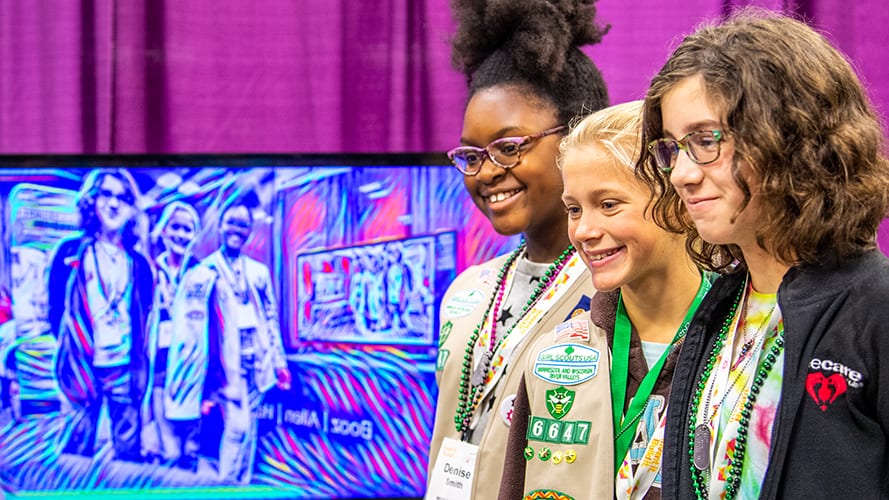
image 67
The collaboration between SWE and researchers at The University of Texas at Austin examined the experiences of young women who potentially represent the next generation of women engineers.

How do young women think about women’s underrepresentation in engineering?

The second study also focuses on the perspectives of high school young women in SWENext; specifically, it investigates how they understand and make sense of women’s underrepresentation in engineering, and how they anticipate dealing with gender inequality in their future careers. This qualitative study draws only from interview data from the first year of data collection (summer 2019), and so, the qualitative sample is composed of the 33 young women from different racial backgrounds who participated in our interviews prior to entering college.

We found that a small percentage of our respondents expressed an individualistic understanding of gender inequality, such that they attributed the relative lack of women in engineering to the fact that women “just were not interested” or not aware of opportunities. In contrast, most young women in our sample expressed a systemic understanding of women’s underrepresentation in engineering, meaning that they were aware of how societal stereotypes about gender shaped people’s expectations of what women and men can do, and how such biases are present in individuals and institutions. Such understandings are powerful, as they provide young women with an awareness that many of the obstacles they encounter are not due to their own personal shortcomings. Importantly, we found that Black young women in our study were the most likely to articulate systemic understandings of gender inequality.

Yet when asked to think about their own futures in engineering, many young women, particularly White women, expressed what we refer to as lean-in self-confidence, such that they were not worried about entering a male-dominated field rife with gender stereotypes and felt that they could navigate it and be successful. While on the one hand such confidence is positive, on the other hand, it appears that these young women are not very concerned with confronting or trying to dismantle inequality as long as they are personally successful. In contrast, a small group of young women in our study did express critical self-confidence, such that they felt empowered to actually change the male-dominated engineering culture by banding together with other women in their futures. Again, we found that such views were most common among Black young women (as well as among Latina young women), pointing to the importance of taking an intersectional approach to exploring the experiences of diverse young women in engineering.

It’s possible that young women’s views regarding their understandings of women’s underrepresentation in engineering (described above) as well as their motivations to challenge gender inequality may shift over time. Given that all interview participants were not yet in college, their engineering experiences during their first few years in college may contribute to their developing more systemic understandings, and in turn, these future experiences may shape their motivations to dismantle gender inequality.

What are the gender identities of college engineering women?

The third study focuses on a different group of young women as it explores how SWE collegiate members view their gender. In general, these young women are distinct from other women in that they have chosen to pursue a male-dominated field. Yet their unique career interests are not necessarily indicative of their perceiving themselves as more masculine or less feminine. Consequently, in this quantitative study, we investigate the gender identities and relationships between different facets of gender identity of approximately 1,000 SWE collegiate women. Specifically, we are interested in examining how this group of young women see their gender as being important to them as well as how similarly they view themselves to women and men their age.

Using survey data from across three years of data collection, we find variation in how much importance SWE collegiate women place on their gender. According to their survey responses, young women majoring in engineering expressed placing a moderate level of importance on their gender. Perhaps for many, entering a male-dominated college major has been the first time that their gender identity has become highly salient. Yet, preliminary findings suggest that this measure of gender identity varies by young women’s intersectional identities, such that among women from high socioeconomic backgrounds, Black and Latina women place lower levels of importance on their gender when compared with their White and Asian peers. As engineering is still a predominantly White and privileged space, women of color pursuing engineering may be contending with the well-documented “double bind” they are in, which could include more instances of racial salience rather than gender salience.

Moreover, young women in SWE also express that they see themselves being similar to both women and men their age. In other words, despite their gender atypical career interests, young women do not see themselves as unfeminine or hyper-masculine. Clearly, these findings debunk preconceived notions that assume young women in engineering would indicate viewing themselves as more masculine because they are pursuing a male-dominated field. Taken together, these findings suggest heterogeneity in engineering women’s gender identities, which warrants further exploration into how these gender identities may relate to their future persistence in engineering.

Conclusion and future directions

To summarize, we have provided a brief overview of three ongoing studies that come from a larger, longitudinal NSF-funded research project that is a collaboration between SWE and researchers at The University of Texas. Ultimately, these studies address a serious limitation in the literature by centering the experiences of young women who have expressed a strong engineering interest as well as considering them a unique yet heterogeneous group. Specifically, we find some commonalities in their engineering experiences, such as receiving support from various individuals while also experiencing exclusion from young men in STEM spaces. At the same time, we also find variation in how they view gender and gender inequality, as indicated in the last two studies. Our next steps include examining how these views about support, gender, and gender inequality are related to future engineering outcomes, including engineering persistence and identity, which in itself is a strong predictor of persistence. Thus, findings from these studies will contribute to our understanding on how to support young women’s engineering aspirations and advance research on gender equity in STEM education. Moreover, we encourage future work dedicated to further exploring the experiences of young women who have already expressed strong inclinations toward engineering as well as amplifying the voices of young women from minoritized backgrounds.
Tweet
Share
Share
0 Shares

Author

  • Cropped Swe Favicon
    Catherine Riegle-Crumb, Ph.D.

    Catherine Riegle-Crumb, Ph.D., is professor of STEM education and sociology in the department of curriculum and instruction at The University of Texas at Austin. As a sociologist of education, her research focuses primarily on the role of social contexts in shaping or disrupting inequity in STEM educational and occupational fields.

SHARE

Tweet
Share
Share
0 Shares

RELATED ARTICLES

fall main hero x
Tech Stewards Expand the Scope of Responsible Engineering
climate feature x
Creating Climate Resilience
NARA Statue crop
What’s Past Is Prologue: The Future Is Ours to Write
water toc article
A Circular Economy to Mitigate Long-Standing Drought
Women Engineers You Should Know
Women Engineers You Should Know — 2023
Footer

Office

130 East Randolph Street, Suite 3500 • Chicago, IL 60601 • 1.312.596.5223 • hq@swe.org

Legal

© Society of Women Engineers. 2026. All Rights Reserved. Privacy Policy. For unresolved issues, please contact SWE’s Ombudsman.

Social

Facebook X Twitter Vector Linkedin Instagram Youtube
Scroll to top