Have questions about SWE programs, events or resources? Try asking Enginuity!

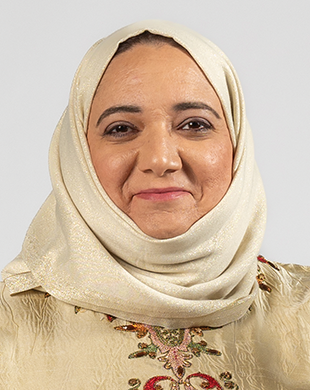
Welcome to the December 2025 issue of SWE Magazine, which reflects the vital momentum of the Society of Women Engineers, celebrating milestones and telling the critical stories that define us — both individually and collectively. And congratulations to the Society of Women Engineers’ incredible content production team for winning a total of 10 national and international awards this year for feature articles, design, the SWE Magazine website, and Diverse, a SWE podcast.
Inside this issue, you’ll find thought-provoking features and timely insights including: how renewable energy is meeting increased global power demand, mother-daughter pairs who share a devotion to their engineering careers, and how return-to-office mandates are disproportionately impacting women — and the strategies they are using to adapt.
Our news section reports that the STEM RESTART Act was recently reintroduced in the U.S. Congress. SWE’s members, including myself, advocated for this law in April during the SWE Congressional Visits Day. If passed, the act would fund training for women and others returning to a STEM career after an absence. To support the legislation, visit https://swe.org/public-policy/.
A special section in this issue offers a recap of the WE25 annual conference, themed “Embrace Your Story.” The conference, held in New Orleans, was especially meaningful as we celebrated SWE’s 75th anniversary and its legacy of support and encouragement for women engineers. Thank you to everyone who shared their stories — the pivots, setbacks, and triumphs — during WE25. Every journey matters; your pivots don’t define you; they refine you.
WE25 was packed with opportunities: inspiring keynotes, networking options, technical sessions, essential skills workshops, the APEX Awards, local tours, the SWE membership meeting and town hall, the career fair, luncheons, and more. I hope those who attended left energized and ready for your next chapter!
A heartfelt thank you to keynote speakers Ruth D. Jones, Ph.D., Melanie Lang, and Thy Tran for sharing their insights, both on stage and as guests on the Diverse podcast. Thank you to the panelists of the Inspirational Insights sessions and to all presenters, sponsors, exhibitors, and volunteers who made this event possible.
To our entire SWE leadership ecosystem — the board of directors, board of trustees, directorate/working group leaders and their headquarters partners, section and affiliate leaders, affinity group leaders, and especially our members, with a special nod to life members and fellows — thank you for your dedication to making the conference a success. Thank you to our staff, led by Karen Horting, CAE, executive director and CEO, and Jennifer Scott, executive vice president, strategic partnerships and events, whose work on the conference often remains behind the scenes. And thank you to SWE’s marketing partners, the David James Group, and Cherek Productions Inc. Your tireless work ensures the continuing success of our annual conferences.
As we move through FY26, I encourage you to continue to “Embrace Your Story.” Honor the milestones big and small that have shaped your journey. Recognize the successes, the setbacks, and the pivots. They are all essential parts of who you are — and who we are as a Society.
You can continue to support SWE in a number of ways:
Thank you for being part of SWE’s story and for helping write the next chapter of women’s success in engineering.
SWE FY26 President Inaas Darrat (she/her) is the director of chemical sector services for Trinity Consultants Inc. She earned a B.S. and an M.S. in chemical engineering at the University of Kentucky and The University of Texas at Austin, respectively. A SWE member since her first year of college, she has held many roles of increasing responsibility in SWE at the local, regional, and Society levels.


