On 12 May at 16:00 CEST, we hosted a fascinating panel discussion on the use of AI in the recruitment process — both by the employer and the applicant.
Our panel explored:
– How new tools influence talent strategy and implications for onboarding and culture
– Recruitment technology solutions in play today, how they are being used, and how this is changing the recruitment process
– What STEM leaders who manage the teams that the recruited talent ends up working in need to consider in this new context
– NextGen outlook perspectives and what this will mean for how they approach job applications
Our speakers were Madhuparna Datta, Application Engineering Director at Cadence Design Systems, James Atkins, Talent Acquisition Director (EMEA) at Cummins, Rachel C. Ahaiwe, Materials Engineer and SWE ECP AG External Relations Global Regional Coordinator, and Carlin Summers, Product Director at Amberjack.
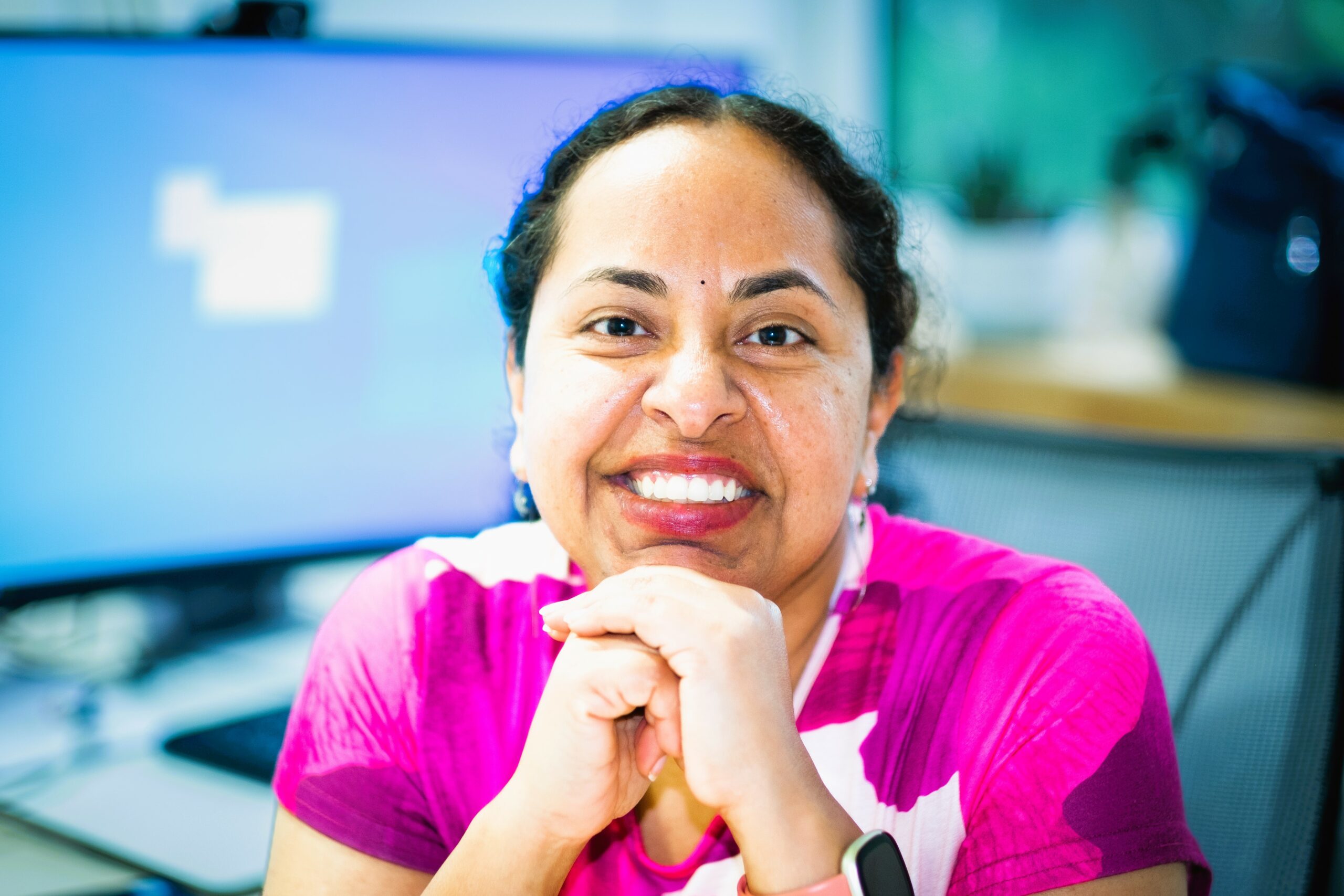
Madhuparna Datta, Application Engineering Director, Cadence Design Systems
Madhuparna Datta is an EDA and VLSI leader with 25+ years in the semiconductor industry across the UK, India, and Sweden. Beginning in telecom at C-DOT and now AE Director at Cadence, she leads advanced digital and signoff campaigns from 16nm to 2nm, spanning silicon to system level.
Passionate about STEM pathways, she actively champions practical skill-building, leadership development, and visibility for women in hardware and deep tech. A SWE Global Ambassador, founder of SWE Cambridgeshire, SWE Senator (FY26–28), and UKESF trustee, she is committed to creating structured, sustainable pathways for the next generation of female engineers.
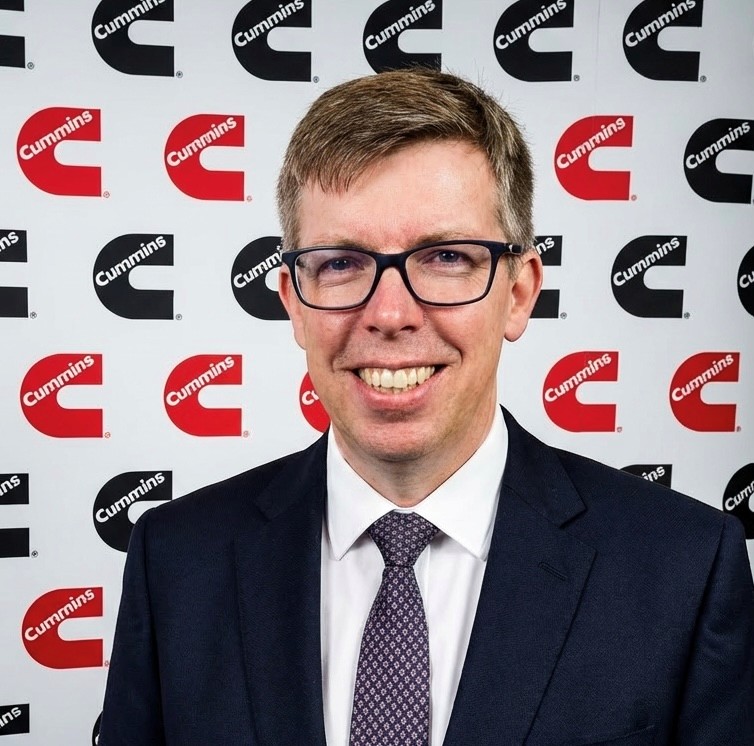


James Atkins, Talent Acquisition Director (EMEA), Cummins
James Atkins is a senior talent acquisition leader with global experience leading recruitment strategy across major organisations, including Cummins, Caterpillar, and Barclays. Currently EMEA Director of Talent Acquisition at Cummins Inc., he specialises in driving transformation, change management, and large-scale hiring initiatives, with a strong track record of building high-performing teams and delivering impactful talent solutions.
Rachel C. Ahaiwe, Materials Engineer | SWE ECP AG External Relations Global Regional Coordinator
Rachel C. Ahaiwe is a materials engineer and Erasmus Mundus Joint Master’s scholar, holding a double degree from two European universities in France and Italy. She currently serves as the SWE Early Career Professional Affinity Group (ECP AG) External Relations Global Regional Coordinator, working to connect and support SWE’s early career professionals globally.
Rachel is also a Global Ambassador for the Society of Women Engineers, with experience in roles spanning the EU Parliament, the Paris 2024 Olympic Games, and engineering institutions across Europe and Africa. She is passionate about bridging the gap between STEM, human development, and global collaboration.
As a young professional navigating the AI-driven recruitment landscape, Rachel brings a fresh perspective on how AI is reshaping talent identification, asking not just what AI can do in recruitment, but what it should do to ensure fairness and inclusivity in the process. In addition, Rachel is the founder of Confluence, a peer-learning and leadership ecosystem that empowers high-potential women to connect, grow, and lead in their fields. She is also a 2026 World Bank Youth Summit Delegate, where she will engage in conversations about the Future of Work, continuing to advocate for the role of young professionals in shaping the global workforce.
Carlin Summers, Product Director, Amberjack
Carlin Summers is Product Director at Amberjack, where she leads the strategy and development of technology used to recruit and assess early‑career and volume STEM talent. She has a background in solutions consulting and product enablement, and now works closely with employers across engineering, technology and professional services to improve how recruitment decisions are made at scale.
Carlin’s work focuses on the practical application of AI in recruitment. This includes where AI can improve fairness, reduce bias, and create better experiences for candidates and hiring teams. She is particularly interested in how AI is reshaping screening, assessment and decision‑making, and what responsible use looks like in real‑world hiring processes.